What shapes maintenance needs
Water chemistry, sediment, installation, use, and coastal exposure all affect a heater differently. We look for actual scale or sediment symptoms, corrosion, leaks, venting issues, and valve problems rather than assuming every property has the same water. Inspection and maintenance timing should follow the model's instructions and observed condition.
What a Pipedex tune-up includes
We drain and flush the tank to clear out built-up sediment, then inspect the anode rod — the sacrificial part that quietly protects your tank from rust. We test the temperature and pressure relief valve, check the thermostat and burner or heating elements, and look over connections for leaks or corrosion. You'll know exactly what we found and what (if anything) needs attention, with the price approved up front before any extra work begins.
Tank vs. tankless care
Tank and tankless units have different manufacturer maintenance requirements. Flushing, anode inspection, filter cleaning, or descaling may apply depending on the model, water chemistry, installation, and use. We inspect the unit and recommend the documented schedule and work that fit the actual system.
Signs it's overdue
New sounds, discolored hot water, a drip, repeated error codes, venting concerns, or reduced hot-water performance are reasons to have the unit checked. These symptoms do not identify one cause by themselves, and an active leak or gas concern needs urgent attention rather than routine maintenance.
How we keep it clean and honest
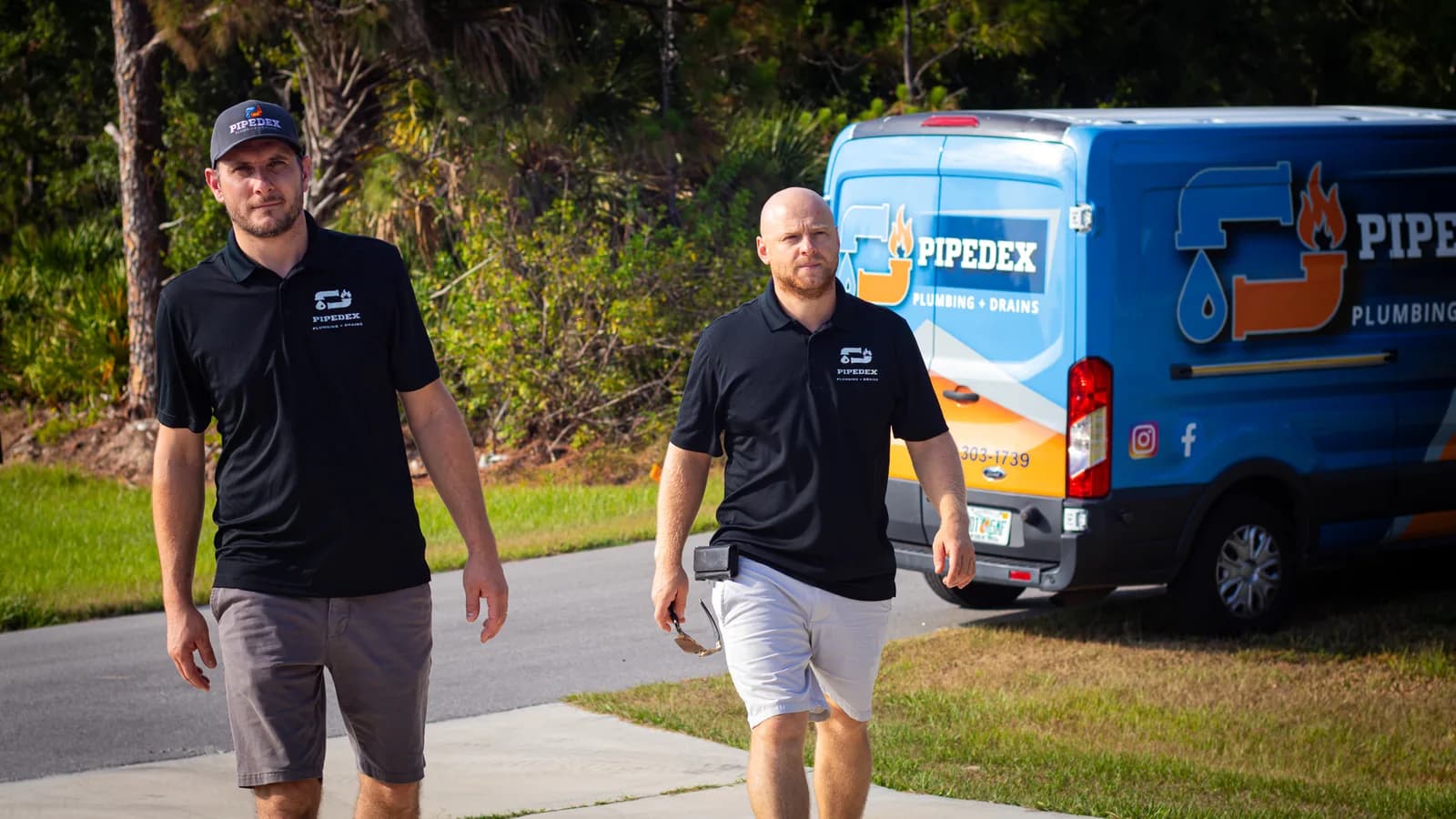
We're licensed and insured, and our technicians are professional and careful in the home, and they treat your home with respect — drop cloths down, mess cleaned up. We give you pricing approved before work starts with known fees explained before work starts, and if we spot something that should be fixed, we explain it in plain English and let you decide. For after-hours surprises, we offer 24/7 emergency service across Charlotte County, southern Sarasota County, and Arcadia.
Signs it’s time to call
- Popping or rumbling sounds from the tank
- Rusty, cloudy, or smelly hot water
- Hot water runs out faster than it used to
- Water pooling around the base of the heater
- Higher energy bills with no clear cause
- Tankless unit throwing error codes